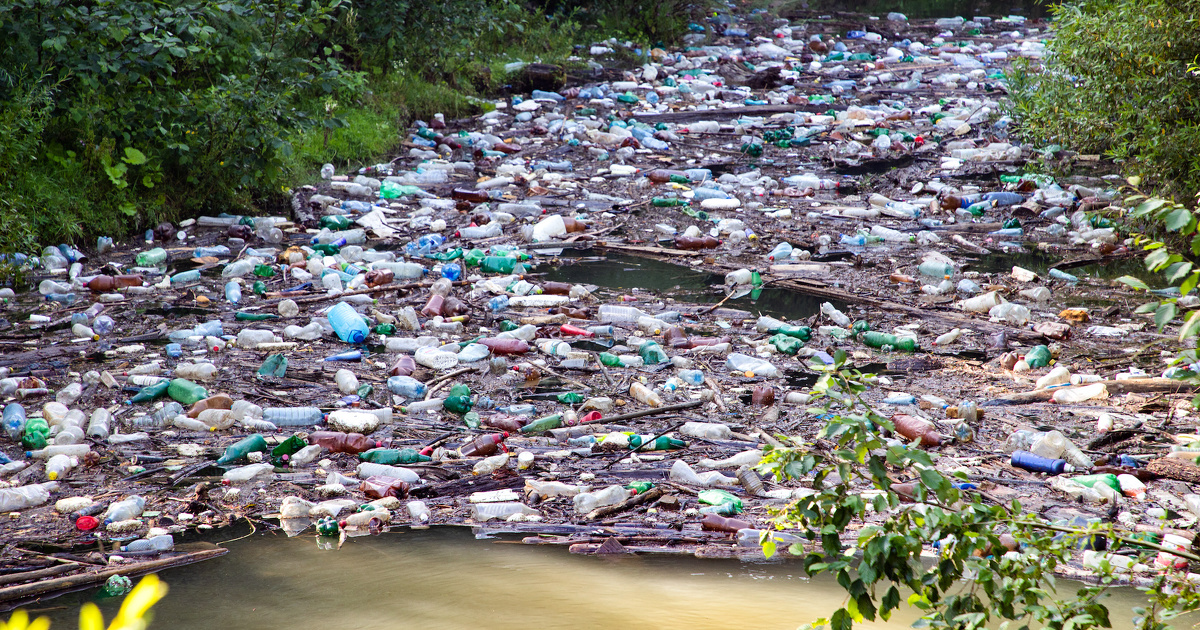
For several years now, Côte d’Ivoire has been facing an alarming deterioration of its waterways. This situation is largely due to the rise of illegal gold mining, which has become one of the country’s most pressing environmental threats. According to the Minister of Water and Forests, approximately 80% of pollution in Côte d’Ivoire’s river basins is directly linked to illegal gold mining, endangering almost all of the country’s twelve river basins and leading to the gradual disappearance of aquatic ecosystems.
An activity that is destructive to the environment
Illegal gold mining relies on quick and inexpensive methods, using mercury and cyanide to extract gold. These chemicals are extremely toxic and cause long-term contamination of soil and rivers. According to the World Bank, they can persist in the environment for several decades, accumulate in fish, and threaten the health of local populations. Water contamination causes neurological disorders, kidney and liver disease, and reproductive abnormalities, particularly in children. The physical impact on waterways is equally worrying. Miners dig up riverbeds, uproot vegetation, and weaken riverbanks, accelerating erosion and increasing turbidity. In certain areas of Séguéla, Bouaflé, and Kani, authorities now refer to “biologically dead waterways,” where aquatic biodiversity has virtually disappeared. Stagnation also promotes the proliferation of mosquitoes, increasing the risk of malaria and other waterborne diseases.
Impacts on drinking water and health
River pollution directly affects access to drinking water. In July 2024, the Côte d’Ivoire Water Distribution Company (SODECI) reported that nearly 400,000 residents in the towns of Yamoussoukro, Toumodi, Djékanou, Dimbokro, and Bocanda were experiencing disruptions in their drinking water supply. Water heavily laden with sediment and chemical contaminants complicates treatment and increases purification costs, reducing access to safe water for populations. The United Nations Environment Programme (UNEP) has also highlighted that artisanal gold mining is one of the main causes of mercury poisoning in West Africa, leading to serious and lasting health effects.
Economic and social consequences
Illegal gold mining causes considerable economic losses. During an awareness-raising meeting with the people of Toumodi in November 2025, the regional director of Mines and Geology reported that 142 tons of gold escape state control each year, generating a tax shortfall of nearly 744 billion CFA francs per year. When informal channels, tax evasion, and profits from illegal networks are taken into account, total economic losses could exceed 3 trillion CFA francs per year, according to specialist reports and national media. Rural areas, faced with unemployment and a lack of economic opportunities, are becoming recruitment hotspots for illegal operators. According to the United Nations Environment Programme (UNEP), artisanal gold mining has become one of the leading causes of community mercury poisoning in West Africa (UNEP, press release 2024). As a result, it fuels poverty, illegality, health degradation, and land conflicts.
Institutional measures and partnerships
To limit the impact of illegal gold mining, the government has deployed specialized brigades to shut down illegal sites, seize equipment, and make arrests. At the same time, Côte d’Ivoire now benefits from $17 million in funding mobilized for the fight against mercury, in order to promote clean technologies, finance training for operators, and strengthen environmental compliance.
In July 2025, a strategic partnership was signed between the Ivorian government, the World Bank, and the World Gold Council to formalize mining, strengthen traceability, and limit economic crime. Despite these initiatives, results remain partial due to insufficient control, a lack of up-to-date data on water quality, and the socio-economic vulnerability of local populations.
The strategic role of the NGO MOUCHOIR BLANC
Faced with this challenge, Mouchoir Blanc aims to play a complementary and structuring role. The NGO is developing an integrated approach combining environmental monitoring, scientific data production, and social mobilization. It plans to create community monitoring brigades and reporting systems accessible to the public, accompanied by campaigns to visually document degraded areas. This information will be used to produce reliable hydrological reports and raise awareness among the media and local authorities.
At the same time, Mouchoir Blanc is committed to economic and ecological alternatives to reduce dependence on illegal gold: agricultural training, green micro-loans, professional integration of young people, and support for women’s initiatives. These measures aim to stabilize the territories and protect waterways in the long term. The NGO is also actively advocating for the environment, mobilizing social networks, raising public awareness, and promoting international days related to water, soil, biodiversity, and climate. This cumulative approach is helping to make the issue of water pollution a civic priority.
Conclusion
Pollution of waterways by illegal gold mining is a major challenge for Côte d’Ivoire, with profound environmental, health, and economic consequences. While institutional measures are essential, they remain insufficient without the active participation of communities and civil society. Through its monitoring, awareness-raising, and promotion of sustainable alternatives, Mouchoir Blanc contributes to the preservation of water resources and the protection of public health. The protection of waterways thus becomes a collective and strategic responsibility for the future of the country.