Rapid urbanization and poorly managed waste
For several years now, Ivorian cities have been undergoing rapid urbanization, but unfortunately waste collection and treatment infrastructure has not kept pace. As a result, in Abidjan and other urban areas, the accumulation of solid and liquid waste, clogged drains, and inadequate sanitation expose the population to serious health risks. According to the 2022 National Waste Inventory Report published by the United Nations Framework Convention on Climate Change, Côte d’Ivoire produces approximately 5.5 million tons of solid waste each year, more than 60% of which comes from urban areas. However, only 40% of this waste is collected, with the rest scattered in the streets or illegal dumps, creating an environment conducive to the spread of disease. In the economic capital, Abidjan, annual waste production is estimated at between 1.2 and 1.7 million tons, or approximately 4,000 tons per day, according to statistics from the National Institute of Statistics of Côte d’Ivoire (INS, 2023). This situation highlights the extent of the imbalance between waste production and treatment infrastructure.
Plastic pollution and blocked drains
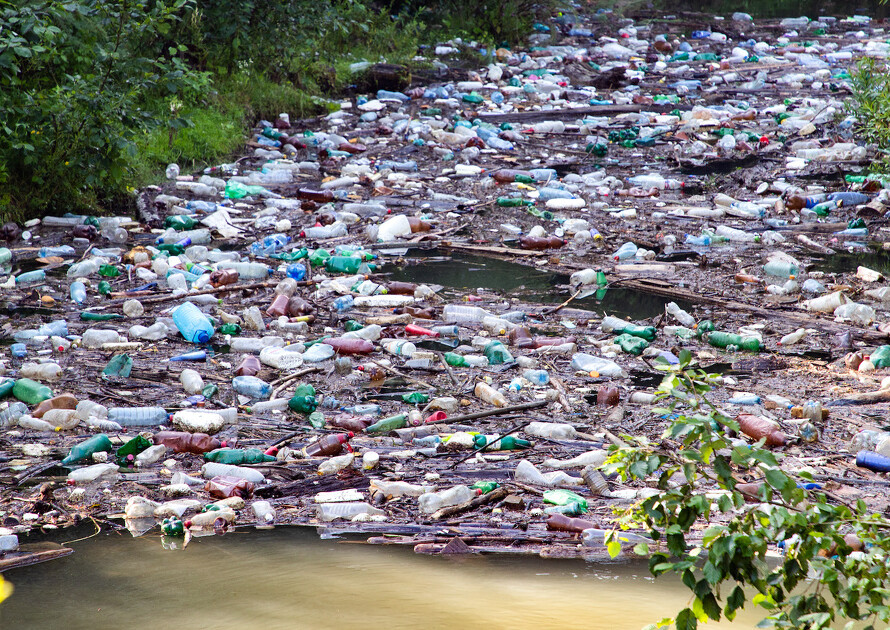
Plastic pollution is also a major problem. According to the United Nations Environment Programme (UNEP, 2023), Abidjan generates 280 tons of plastic every day, less than 10% of which is recycled. This waste accumulates in the streets, clogs drains and sometimes waterways, causing water to stagnate and promoting the proliferation of mosquitoes, rats, and flies, which are vectors for diseases such as malaria, dengue fever, and diarrhea. In addition, certain street food practices expose people to toxic substances migrating from plastics, further increasing health risks. Plastic pollution is therefore not just an aesthetic problem, but a real danger to public health.
Direct health impacts
The consequences of urban unsanitary conditions are numerous and serious. Uncollected waste causes gastrointestinal infections, respiratory disorders, skin conditions, and eye reactions. According to a report by the World Health Organization (WHO, 2023), outbreaks of diseases linked to unsanitary conditions mainly affect children and vulnerable populations. In Vridi Akobrate, in June 2025, a cholera outbreak led to several cases and deaths, demonstrating the direct link between poorly managed waste and public health. Furthermore, unsanitary conditions exacerbate social inequalities: the poorest populations, often lacking access to hygienic alternatives, suffer the health and economic consequences of this situation.
Government initiatives and national programs
The Ivorian government has stepped up its efforts to address this challenge. First, the National Solid Waste Management Policy (PNGDS, 2021) established a legal and technical framework for waste collection, treatment, and recycling, including the involvement of municipalities and private operators. Second, the National Urban Sanitation Program (PNAU, 2022) targeted Abidjan and other major cities to improve gutter cleaning, waste disposal, and collection point management. In addition, some municipalities such as Treichville, Yopougon, and Cocody have set up municipal sanitation brigades responsible for monitoring illegal dumping, responding quickly, and raising awareness among residents. Law 2019-682 on the environment and public health also allows for the imposition of penalties on individuals or companies responsible for environmental offenses, strengthening regulations on waste management. At the same time, 33 health centers have been equipped to improve the collection of medical waste, thereby preventing contamination from infectious waste. Awareness campaigns are also being conducted to encourage residents to adopt hygiene and cleanliness practices, particularly before the rainy season. However, despite these initiatives, the situation remains critical, as the volume of waste produced far exceeds existing treatment capacity.
The strategic role of the NGO Mouchoir Blanc
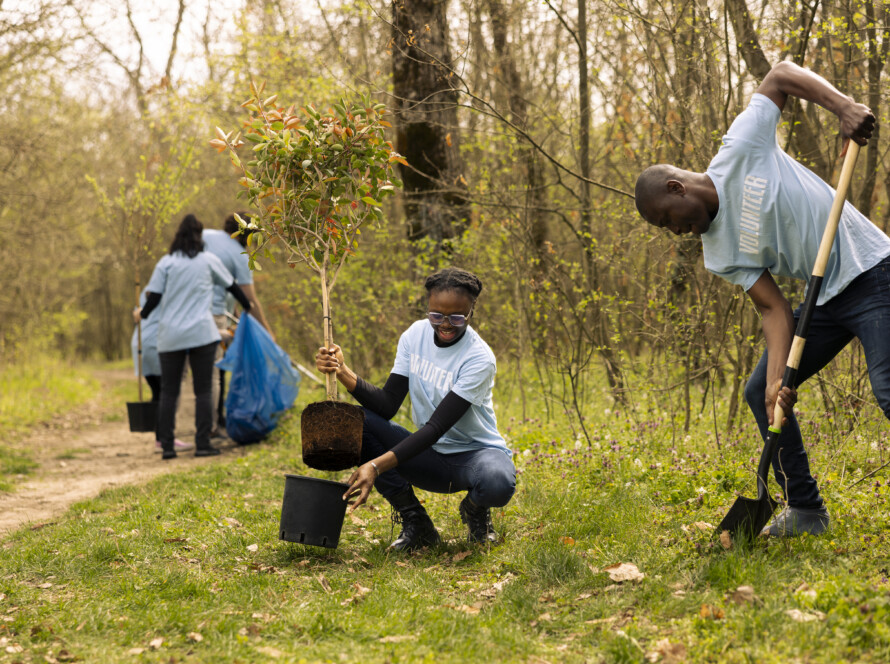
Faced with these challenges, the NGO Mouchoir Blanc intends to play a decisive role. On the one hand, it plans to set up community surveillance and reporting brigades capable of identifying critical areas and producing reliable reports on the state of waste and water. On the other hand, the NGO is developing awareness-raising and clean-up initiatives involving schools, markets, and neighborhoods in order to reduce the population’s exposure to health risks. At the same time, Mouchoir Blanc promotes sustainable alternatives, such as recycling, composting, and support for green jobs, to reduce dependence on unhealthy practices and improve public health in the long term. This approach, combining monitoring, awareness-raising, and sustainable solutions, not only protects people’s health but also establishes a culture of cleanliness and long-term health prevention.
Conclusion
Ultimately, urban unsanitary conditions in Côte d’Ivoire are a multidimensional problem affecting public health, the economy, and the well-being of the population. According to UNEP (2023), the combination of rapid urbanization and poor waste management creates an environment conducive to disease and health insecurity. While government intervention is necessary, it must be complemented by citizen mobilization and the involvement of NGOs such as Mouchoir Blanc. Only effective coordination between institutions, citizens, and civil society will enable Ivorian cities to be transformed into healthy, safe, and resilient environments that are able to cope with the risks associated with waste and unsanitary conditions.